Quick Answer
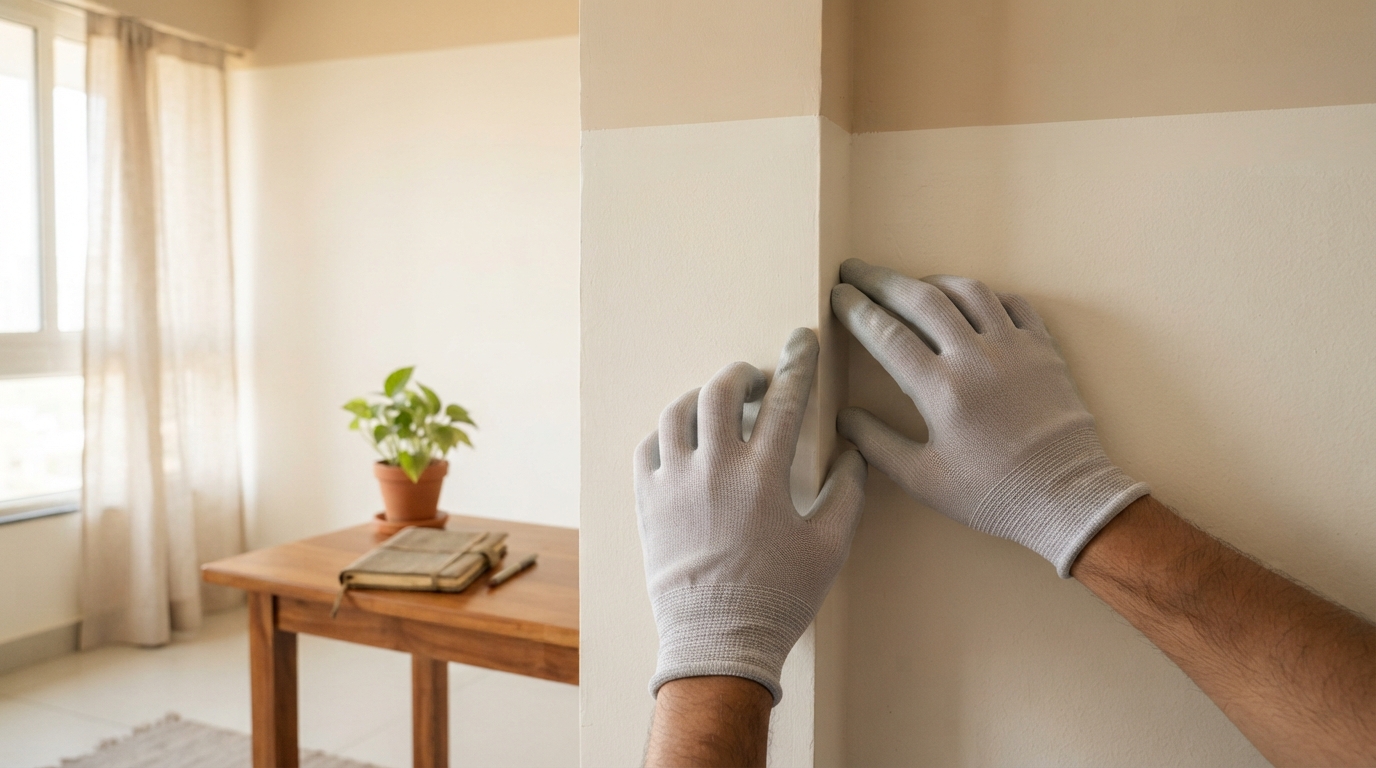
Preventing mould in Mumbai rental flats starts with controlling moisture at its source: leaks, seepage, condensation, blocked drainage, and poor ventilation. Landlords should inspect before monsoon, document warning signs, arrange repairs promptly, and give tenants a simple process for reporting moisture problems.
Introduction
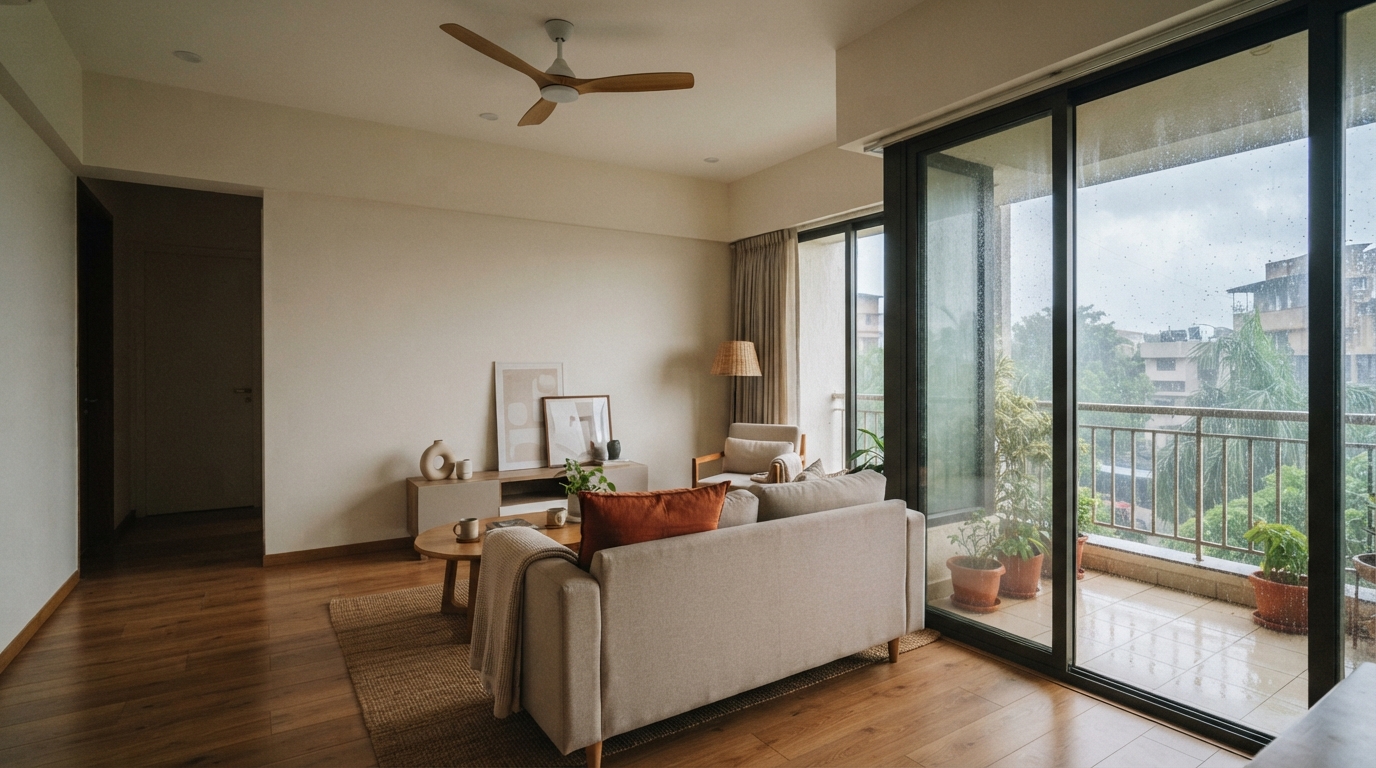
Mumbai’s monsoon, coastal humidity, and ageing building stock make dampness a recurring rental risk, not just a cleaning issue. Persistent moisture can damage finishes, affect tenant comfort, and create conditions for mould growth in bathrooms, kitchens, ceiling corners, and behind furniture. The WHO mould guidelines identify preventing persistent dampness and microbial growth as the central way to reduce associated indoor health concerns. A small stain can point to a failed seal, concealed plumbing leak, or water ingress from a neighbouring flat.
Key Takeaways:
- Fix the moisture source before cleaning or repainting affected surfaces.
- Inspect drainage, plumbing, window seals, and exhaust ventilation before monsoon.
- Keep dated photos, tenant messages, and repair records for every damp complaint.
Rental Property Maintenance: Find the Moisture Source First
Effective rental property maintenance begins with diagnosis, not surface treatment. Mould needs available moisture, so a fresh coat of paint will not solve a leaking pipe, failed waterproofing joint, overflowing drain, or condensation-prone room. Use a pre-monsoon maintenance checklist to identify work that needs society approval, contractor access, or tenant coordination before heavy rain exposes the weakness.
Early signs of dampness that landlords should inspect
Look beyond visible black or green spots. A musty smell, bubbling paint, swollen wood, rusting fittings, peeling plaster, discoloured grout, and repeated condensation on windows can all indicate moisture-control issues that Mumbai rental apartment owners need to address. Record the room, wall or ceiling location, likely water path, and whether the area feels wet before assigning the repair.
- Ceiling rings: Check for roof, terrace, or upstairs plumbing leaks.
- Wall stains: Trace cracks, exterior seepage, or neighbouring-flat water ingress.
- Bathroom corners: Test exhaust airflow, silicone joints, and concealed plumbing.
- Kitchen cabinets: Inspect sink traps, supply hoses, and cabinet backing.
- Window edges: Examine frame seals, drainage channels, and surrounding plaster.
Preventing wall dampness in Mumbai apartments before monsoon
Preventing wall dampness in Mumbai apartments requires an owner-side walkthrough of exterior-facing walls, window frames, balconies, terraces, pipe shafts, and drainage outlets before rain arrives. Use a documented property inspection checklist with photographs so later damage can be compared with the condition recorded at move-in or before the wet season.
Turn Prevention Into a Monsoon Maintenance Workflow
A practical workflow separates urgent containment from permanent repair. Ask the tenant to report damp patches with clear photographs, stop active water flow where possible, and allow access for inspection, while you confirm whether the issue sits inside the flat, in a common building area, or originates from another unit. This distinction matters when planning rental maintenance, contractor scope, and communication with the housing society.
Set clear repair and ventilation actions
Start with the issue that is feeding moisture into the home. A rental maintenance checklist should include plumbing joints, bathroom and kitchen exhaust fans, AC drainage lines, balcony outlets, water storage areas, and seals around windows and doors. Ask tenants to report leaks promptly, use installed exhaust fans, keep wet zones dry after use, and avoid pressing large furniture tightly against a damp external wall.
Prepare the flat before heavy rain and investigate recurring dampness after repairs. Citywide flood-loss statistics do not establish what caused a particular wall or ceiling stain; record the location, moisture path and contractor findings for the property itself.
Inspect after repairs instead of closing the ticket
Repair completion is not the same as moisture control. Revisit the affected area after rain, check for returning stains or odours, photograph the repaired surface, and retain the invoice, scope of work, and tenant confirmation. Post-monsoon maintenance should also include reviewing paint blistering, corrosion, blocked outlets, and any seepage reported from adjacent flats.
If dampness persists or growth is extensive, involve an appropriate building or remediation professional and coordinate access with the tenant and society. Do not disturb concealed material, improvise chemical mixtures, or treat an electrical hazard as an ordinary cleaning task.
NRI Property Management: Maintain Visibility From Afar
Remote property upkeep needs a repeatable evidence process. Agree an inspection cadence suited to the flat, any known moisture problem and tenant access. Use comparable photographs, repair-status notes and a clear reporting channel; do not treat monthly entry as a universal requirement.
When local coordination is more useful than reactive repairs
Local coordination becomes valuable when access must be arranged, the cause crosses flat or society boundaries, or repairs need follow-up after the first visit. Keyhold supports Mumbai owners with inspection coordination, tenant communication, repair follow-up, paperwork, and handover records, helping owners keep a clear view of what was observed and what remains unresolved.
Do not assume recurring mould is merely a tenant cleaning issue. Guidance on underlying moisture causes stresses checking structural problems, leaks, ventilation, and damaged building elements rather than repeatedly painting over returning growth.
Keep a defensible inspection record
For every complaint, retain the original report, dated images, access confirmation, contractor findings, approval messages, invoice, and completion photos in one property file. If a pipe leak, seepage issue, or ventilation fault returns, these records show the pattern and support faster repair coordination without relying on memory or scattered messages.
Conclusion
Mould prevention is fundamentally moisture management: inspect vulnerable areas, repair water entry points, maintain ventilation, and verify that repairs hold after rain. Build these checks into a flat maintenance checklist, especially before monsoon and after any reported leak. For remote owners who need local follow-through on inspections, tenant access, repairs, and paperwork, Keyhold is a practical choice for keeping the owner-side record complete. Acting on early warning signs protects the flat from avoidable deterioration and reduces friction during a tenancy.
Need local follow-through for your rental flat? Contact Keyhold for inspection, repair, and paperwork coordination.
Frequently Asked Questions (FAQs)
How to prevent mould in Mumbai rental apartments?
Preventing mould in Mumbai rental apartments means locating and fixing moisture from leaks, seepage, blocked drains, AC condensation, or inadequate ventilation, then drying and cleaning affected surfaces only after the underlying cause is controlled and the repair has been checked through wet weather.
Why do rental properties in Mumbai develop dampness?
Rental properties in Mumbai develop dampness because monsoon rain, humid air, ageing waterproofing, plumbing failures, condensation, and water movement from terraces or neighbouring homes can introduce moisture into walls, ceilings, floors, and enclosed spaces where airflow is limited.
What is the best way to handle damp walls in a rental flat?
The best way to handle damp walls in a rental flat is to photograph the affected area, inspect both sides of the wall and nearby plumbing, identify whether water comes from outside or another flat, complete the repair, and monitor the location for recurrence.
How can NRI owners manage property maintenance in Mumbai?
NRI owners can manage property maintenance in Mumbai by setting a written inspection routine, requiring dated photo and video updates, maintaining a repair log, giving tenants one reporting channel, and appointing a local owner-side coordinator when access, society communication, or contractor follow-up is required.
How to maintain a vacant apartment in Mumbai during monsoons?
Maintaining a vacant apartment in Mumbai during monsoons requires periodic checks of windows, balconies, drains, plumbing, AC units, electrical points, and external-facing walls, along with ventilation where practical and immediate investigation of any odour, stain, pooling water, or water entry from common areas.